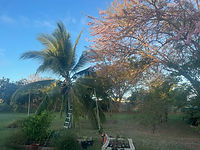
Co-Creating Gardens that Nourish the Body, Mind + Soul
Alma Landscape & Permaculture Design is your guide to growing edible, medicinal and healing gardens and landscapes. We believe any space can be transformed into one that grows food, medicine and regenerative abundance—whether it be a single windowsill herb garden or an expansive food forest.
Through a collaborative process, we explore the conditions of both your inner and outer ecosystems to co‑create gardens that nourish your body, calm your mind, and uplift your spirit.


Find Your Garden


Our Vision
Our Story
Alma Landscape & Permaculture Design focuses on edible, medicinal, and native gardens because these are the landscapes humans created and tended for thousands of years—up until the rise of modern, industrial systems. Purely ornamental or preservation landscapes are a relatively recent concept, emerging once people no longer relied on their land to provide food, medicine, and daily connection.
Think of the Mediterranean, where orange groves and herbal gardens offered both beauty and abundance, or the Native American tradition of the Three Sisters—beans, squash, and corn—an elegant, ecologically intelligent system. Even the Amazon rainforest, often described as “untouched,” is incredibly diverse not because it was preserved in isolation, but because Indigenous peoples actively shaped it. Over millennia, they cultivated and domesticated species like Brazil nut, cacao, and various palms, transforming the region into a vast, thriving garden.
Today, our food system looks very different. Much of our produce comes from monocrop farms sprayed with chemicals, harvested early, shipped thousands of miles, depleted of nutrients, and often treated again before reaching grocery shelves. This disconnection from land and food has far‑reaching consequences—from physical and mental health challenges to weakened community bonds.
Richard Louv’s concept of nature‑deficit disorder captures this growing alienation. Coined in 2005, it describes the psychological, physical, and cognitive costs of reduced time outdoors. While it’s not a medical diagnosis, it highlights how screen‑based lifestyles and urbanization contribute to anxiety, attention difficulties, obesity, and a diminished sense of well‑being. It’s not the only factor, of course, but for anyone struggling to understand the roots of their stress or imbalance, it’s a meaningful place to look.
In contrast, the world’s Blue Zones—regions where people live significantly longer and healthier lives—share several key traits: they eat food grown in their own gardens, move naturally throughout the day (often through gardening or time in nature), and maintain strong social and faith-based connections. These places include Nicoya, Costa Rica; Sardinia, Italy; Ikaria, Greece; and Okinawa, Japan. Their longevity isn’t accidental—it’s deeply tied to lifestyle, food, land, and community.
In the U.S., our food has become increasingly industrialized, genetically modified, and processed, and we’ve lost many of the practices that support long‑term health and resilience.
Permaculture offers a path back. It is a design system for creating sustainable, regenerative human environments by mimicking natural ecosystems. It integrates food, medicine, ecology, and community into a cohesive whole. Herbalism complements this by using plants and natural remedies to support the body’s regenerative healing processes through teas and other preparations.
By combining permaculture and herbalism with her background in landscape architecture and design, Natalie fills a unique niche. She helps people reconnect with nature, grow their own food and medicine, and ground themselves in practices that have supported human life since the beginning. Her own health challenges and experiences with nature‑deficit disorder set her on this path, and she is passionate about guiding others on their journeys back to wellness, resilience, and relationship with the land.
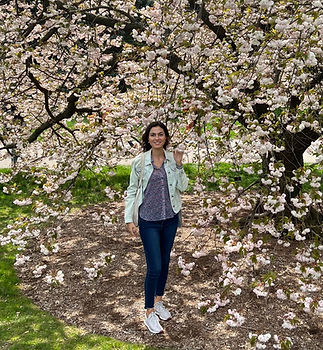
Natalie holds a Master of Landscape Architecture and numerous certifications in permaculture, biodynamic farming and herbalism. She completed a Permaculture Design and Regenerative Herbalism Course in Tzununa, Guatemala; volunteered on a biodynamic, multigenerational coffee farm in Monteverde, Costa Rica; and returns each year to her ancestral lands of Puerto Rico (Borikén) to continue her stewardship of the land. Learning from a diverse community of permaculturists, herbalists, landscape architects, horticulturists, ecologists, farmers and elders, these hands-on experiences have deeply connected her to the earth and she is ready to share this wisdom and knowledge with you.
Testimonials
A Diverse Perspective
Cultivating Community
Inspiring Growth